



Best Fitness Trackers for Daily Activity Monitoring: Optimize Your Health Goals
Imagine starting your day with a morning jog, followed by a quick check on your wrist that summarizes your heart rate, calories burned, and steps taken. Now extend that thought to a device that not only tracks your physical activities but also monitors your sleep patterns, sends you sedentary alerts, and even helps you manage your stress. Fitness trackers have evolved from mere pedometers to smart wellness devices integral to health management. Selecting the right device could be akin to choosing a personal health coach.
Why focus on daily activity monitoring? Research and real-user testimonials continually showcase how consistent monitoring can significantly impact overall health and fitness levels. With a plethora of options in the market, it can be daunting to pick one that best aligns with your health goals and lifestyle needs.
In crafting a list of the top fitness trackers, we’ve considered a range of features from basic step counting to advanced functions like heart rate monitoring and GPS tracking. We aim to help you find a fitness tracker that fits seamlessly into your daily routine, enhancing your journey towards a healthier lifestyle.
This article offers a detailed look at the best fitness trackers available, explaining what makes each stand out. Whether you’re just dipping your toes into fitness or seeking to deepen your committed regimen, here’s a guide to help you make an informed decision.
Top 3 Fitness Trackers for Optimal Daily Activity Monitoring
1. Fitbit Charge 5

As the latest in the popular Charge series, the Fitbit Charge 5 offers a holistic approach to daily activity monitoring. Known for its accurate heart rate and sleep tracking algorithms, this model has introduced new sensors to gauge stress levels, making it a comprehensive health monitoring tool.
Key Benefits
- Advanced stress management features with EDA sensor readings.
- Built-in GPS to track your runs without a phone.
- Bright, always-on AMOLED display for easy viewing.
- Compatibility with both iOS and Android devices.
While it excels in technology, some users find the button-less design less intuitive than previous models. Despite this, its lightweight design and robust health features make it a leading choice for enhancing daily health goals.
2. Garmin Vivosmart 4

For those seeking a slim, stylish tracker that doesn’t skimp on functionality, the Garmin Vivosmart 4 stands out. Renowned for durability and precision, this model focuses heavily on health and wellness insights, including blood oxygen monitoring during sleep.
Key Benefits
- Pulse Ox sensor that measures blood oxygen saturation levels.
- Dedicated relaxation breathing timer for stress management.
- Water-resistant design suitable for swimming and showers.
The subtle, bracelet-like form factor makes the Vivosmart 4 ideal for those who prefer their technology to blend stylishly into their day-to-day wear. However, its smaller screen size might not suit everyone’s preference.
3. Apple Watch Series 7
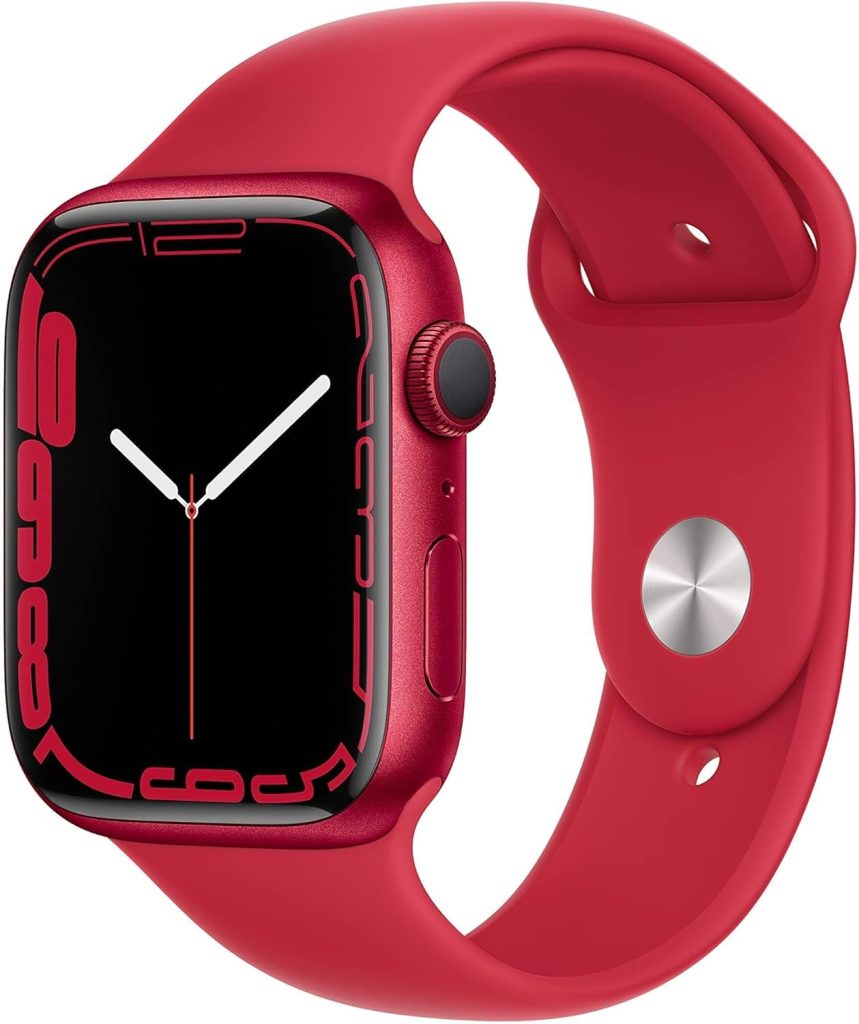
A leader in smartwatch innovation, the Apple Watch Series 7 continues to impress with its comprehensive fitness and health tracking capabilities. Fully integrated into the Apple ecosystem, it provides a seamless user experience for iPhone users, though it is not compatible with Android phones.
Key Benefits
- ECG app to check heart rhythm on the go.
- Large, always-on Retina display.
- Rich suite of health and fitness metrics tied to the Apple Health app.
The Series 7 excels in user interaction and connectivity, offering a wide range of watch faces and apps. This model is ideal for tech-savvy users looking to integrate their health tracking with a broader smart device experience.
Common Mistakes to Avoid
Here are some common pitfalls to avoid when using fitness trackers:
- Ignoring device calibration settings which can lead to inaccurate data.
- Focusing only on step counts and ignoring other important health metrics like sleep quality and heart rate.
- Forgetting to charge your device regularly, which might result in missed data.
Frequently Asked Questions
Can fitness trackers improve overall health?
Yes, when used consistently, fitness trackers can motivate you to achieve daily activity goals and monitor vital health metrics, contributing to overall wellness.
Are all fitness trackers waterproof?
No, not all devices offer waterproof protection. Check the specifications of your chosen model, especially if you plan to wear it while swimming or showering.
Do I need a smartphone to use a fitness tracker?
While some trackers function independently, most sync with a smartphone for optimal use of features and data analysis.
Can fitness trackers measure blood pressure?
Some advanced models can measure blood pressure, but this feature is not universally available. It’s crucial to verify this capability in product descriptions.
Final Thoughts
Choosing the right fitness tracker can revolutionize how you approach your health and activity levels. By understanding the unique features and capabilities of each device, you can select a model that best suits your lifestyle and wellness objectives. Remember, the goal of a fitness tracker is to serve as a tool that fosters more mindful health practices. Opt for a device that feels like a natural extension of your health aspirations.